Stockroom note
Tube against packet: the cost per gram ledger
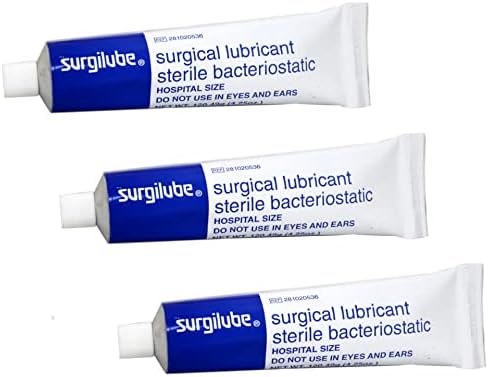
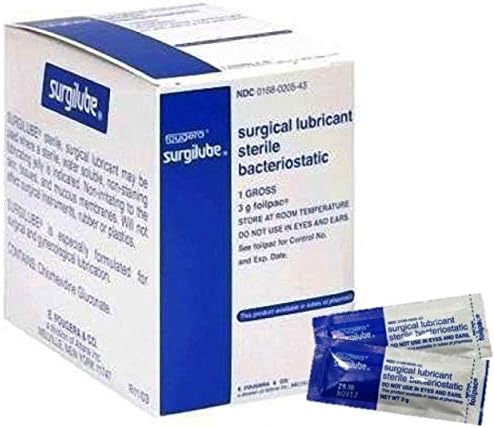
Every format on this shelf holds the same jelly, so the only honest way to compare them is grams for money. The listings do not make that easy. One shows a single tube, another a case of twelve, a third a box of 144 packets, and the per-unit figures they print are per tube or per packet, never per gram. So here is the ledger, computed from the current numbers in this catalog.
The ledger
| Format | Grams per unit | Best pack | Pack cost | Per gram |
|---|---|---|---|---|
| 4.25 oz Flip-Top Tube | 120.5 g | x72 | $164.99 | 1.9 cents |
| 4.25 oz Screw-Top Tube | 120.5 g | x12 | $53.64 | 3.7 cents |
| 2 oz Tube | 56.7 g | x12 | $24.99 | 3.7 cents |
| 3 g FoilPac Packets | 3 g | x1728 | $175.99 | 3.4 cents |
| 5 g FoilPac Packets | 5 g | x864 | $149.99 | 3.5 cents |
Two patterns fall out of the table. Cases beat single units by a wide margin: the largest flip-top case brings the gram down to well under half of what a single tube costs, and the same holds for the twelve-tube cases of the other two tube formats. And the packets, despite being the fussiest packaging on the shelf, hold their own once bought by the case, because a pallet of 3-gram packets is kilograms of jelly in one order.
What the ledger does not say
Cheapest per gram is not the same as cheapest in practice. A 4.25 oz tube that gets opened, used twice, and thrown out a year later delivered two applications for the whole tube cost. A packet delivers its 3 grams every time, because there is nothing left to expire on the counter. If usage is steady and the container gets finished, buy the biggest tube case the budget allows. If usage is occasional, the smaller tube or the packets waste less even at a worse gram rate.
One more wrinkle: the 2 oz tube never wins this ledger. Half-size packaging rarely does in any product line, and what it buys instead is something the ledger cannot show, which is a fresh unopened tube in every place you keep one.